






|
|
|
|
|
|
|
|
|
|
|
| (Linnaeus 1758) | (Linnaeus 1758) |
| Charadriiformes - Scolopacidae | Charadriiformes - Scolopacidae |
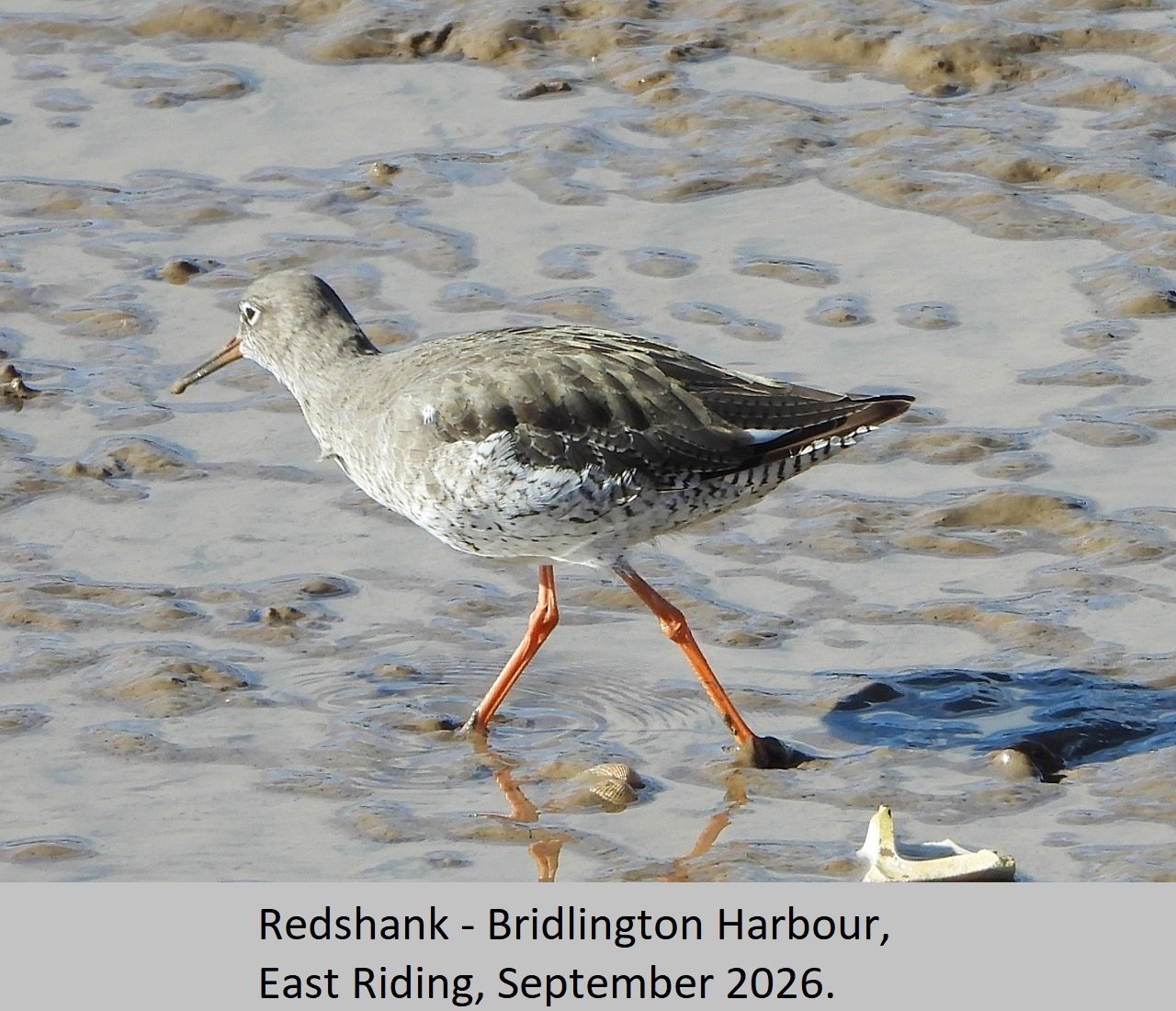
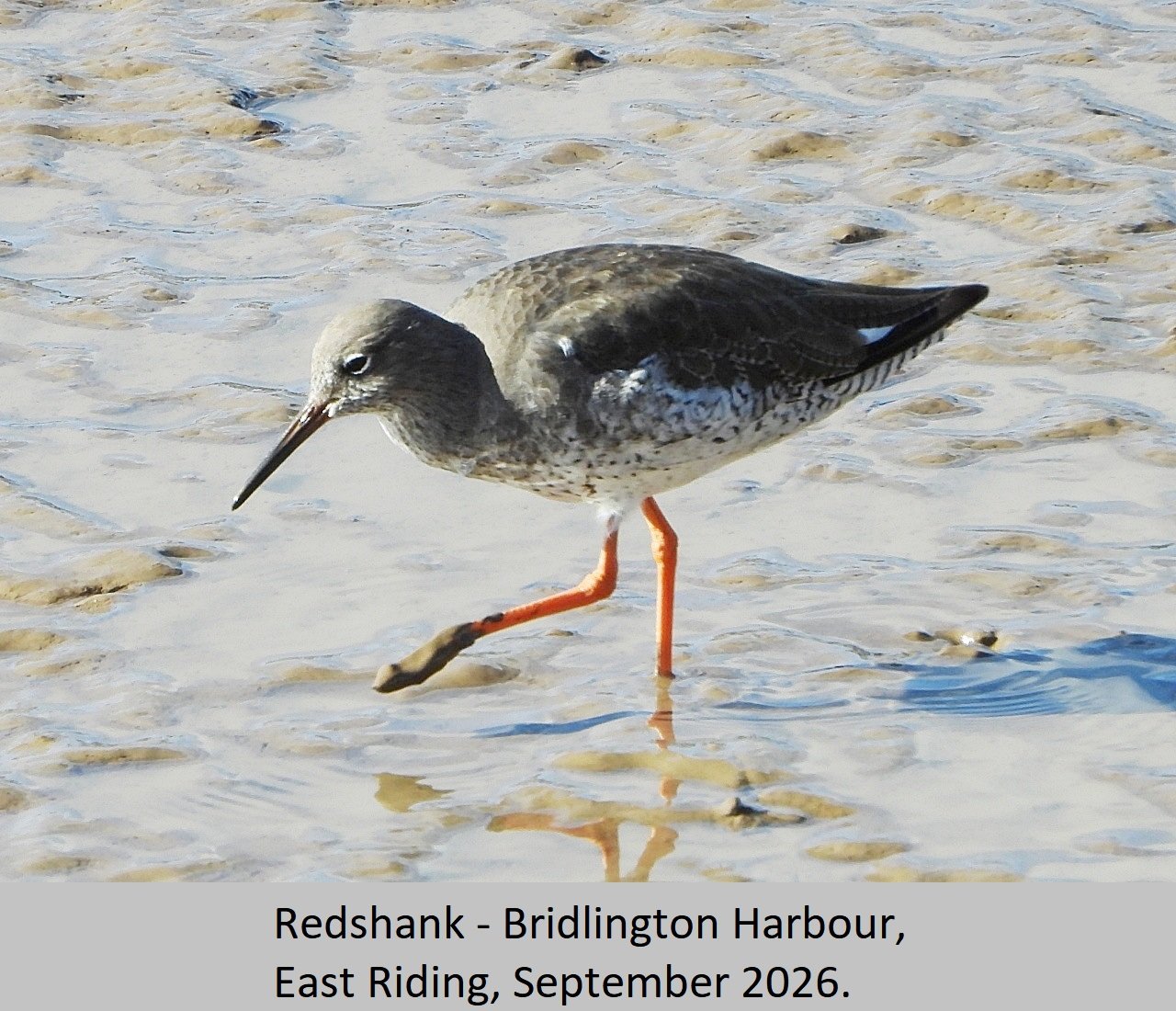
| Common Redshank - Tringa totanus | Common Redshank - Tringa totanus |
|
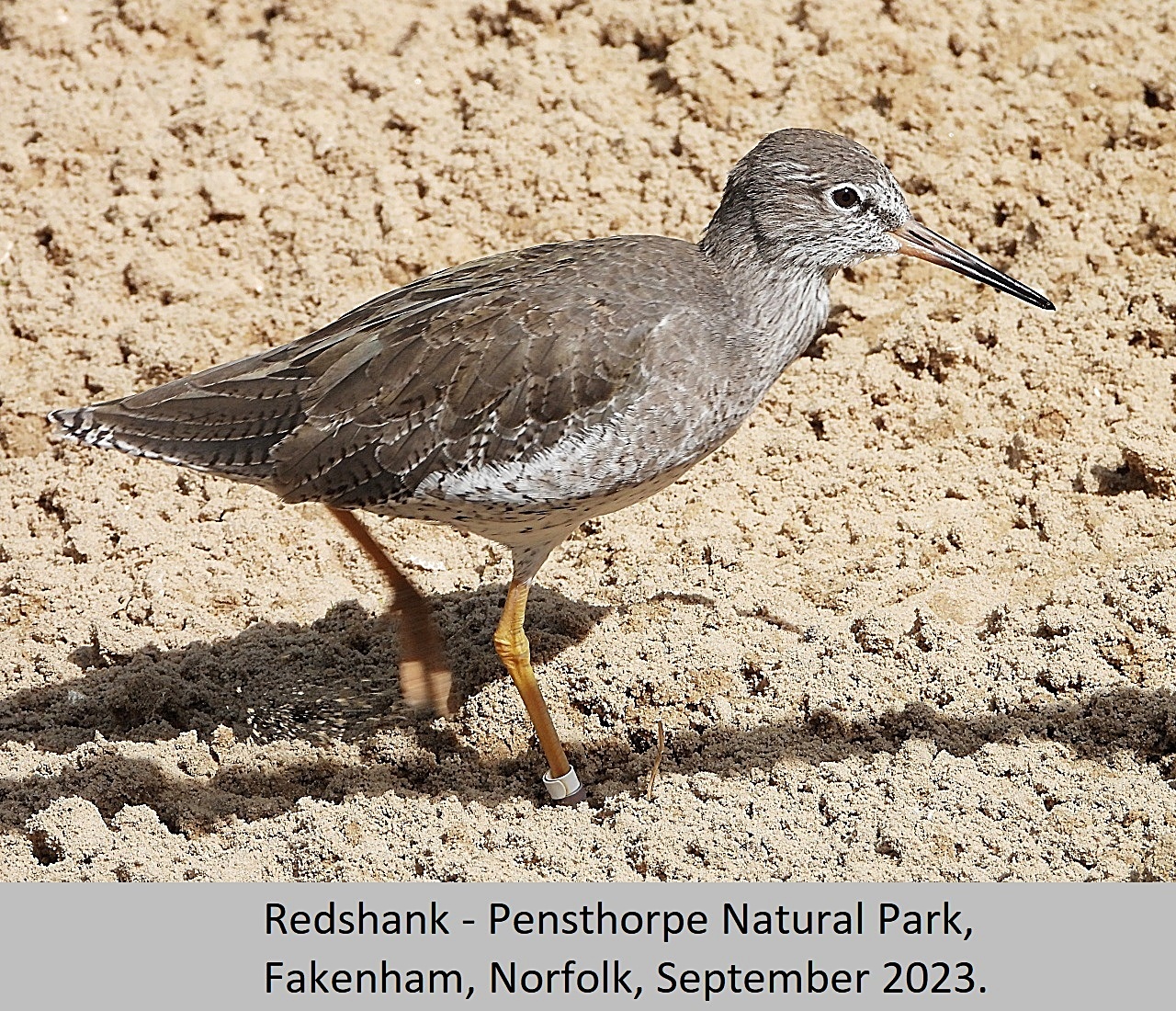
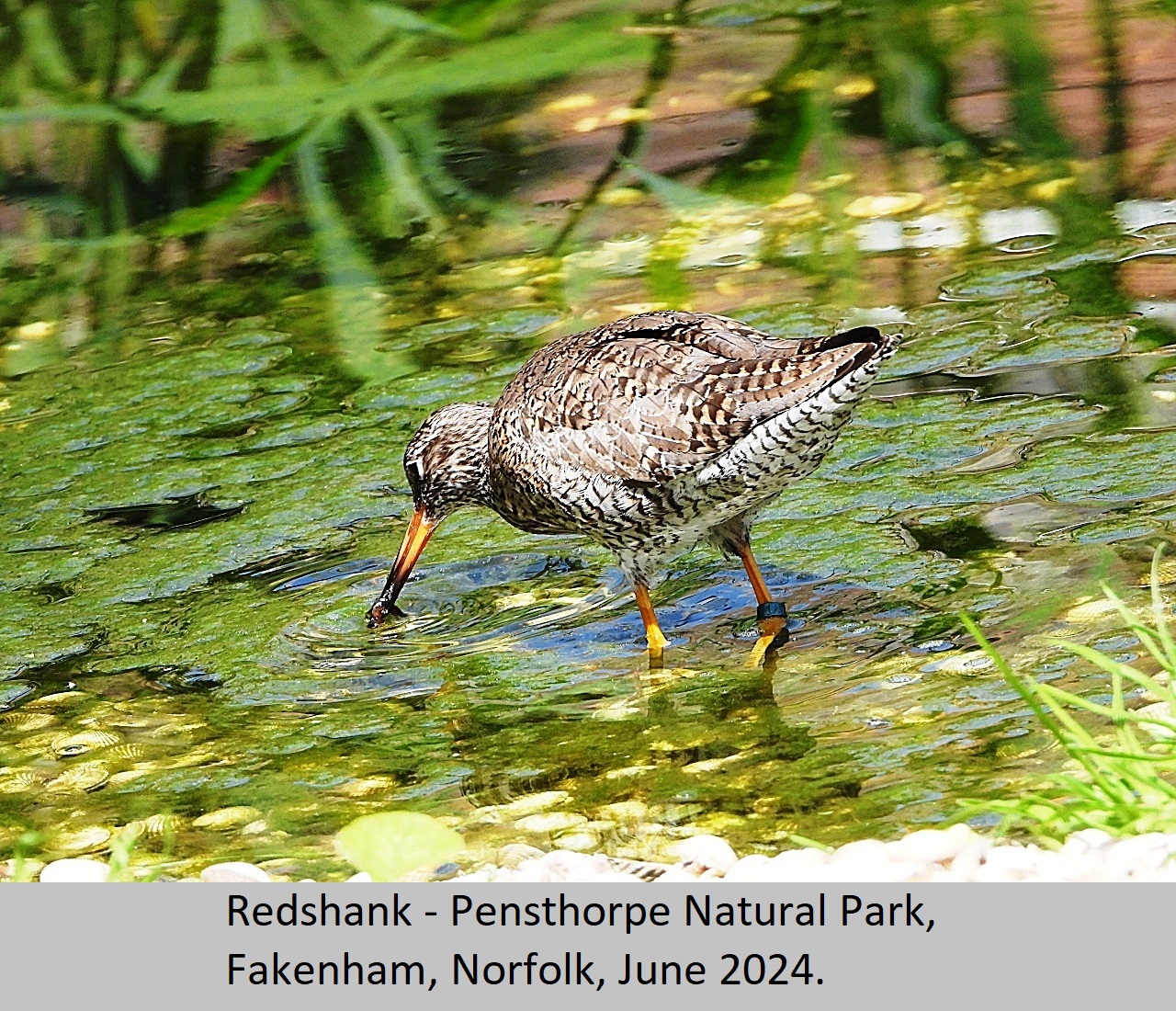
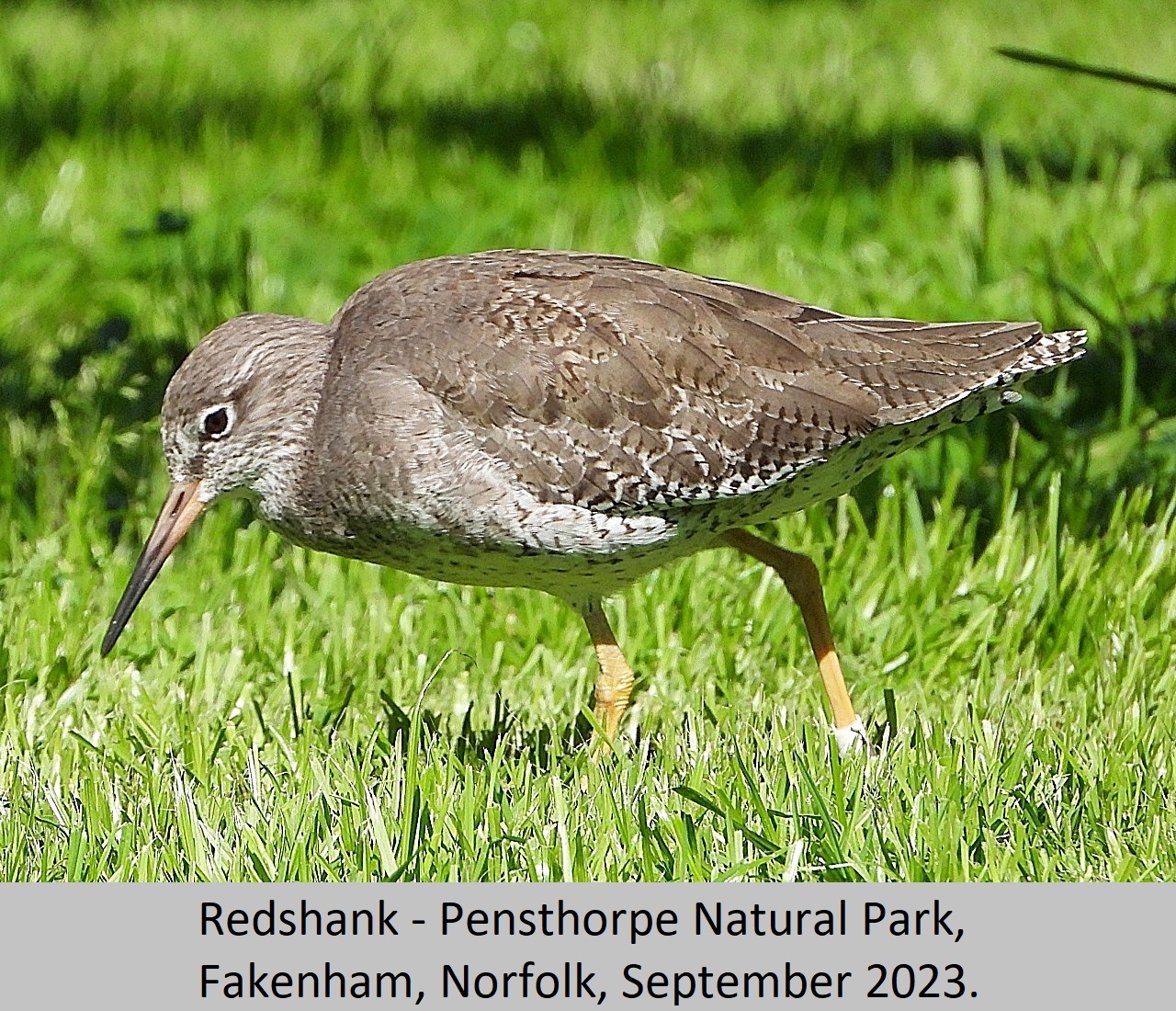
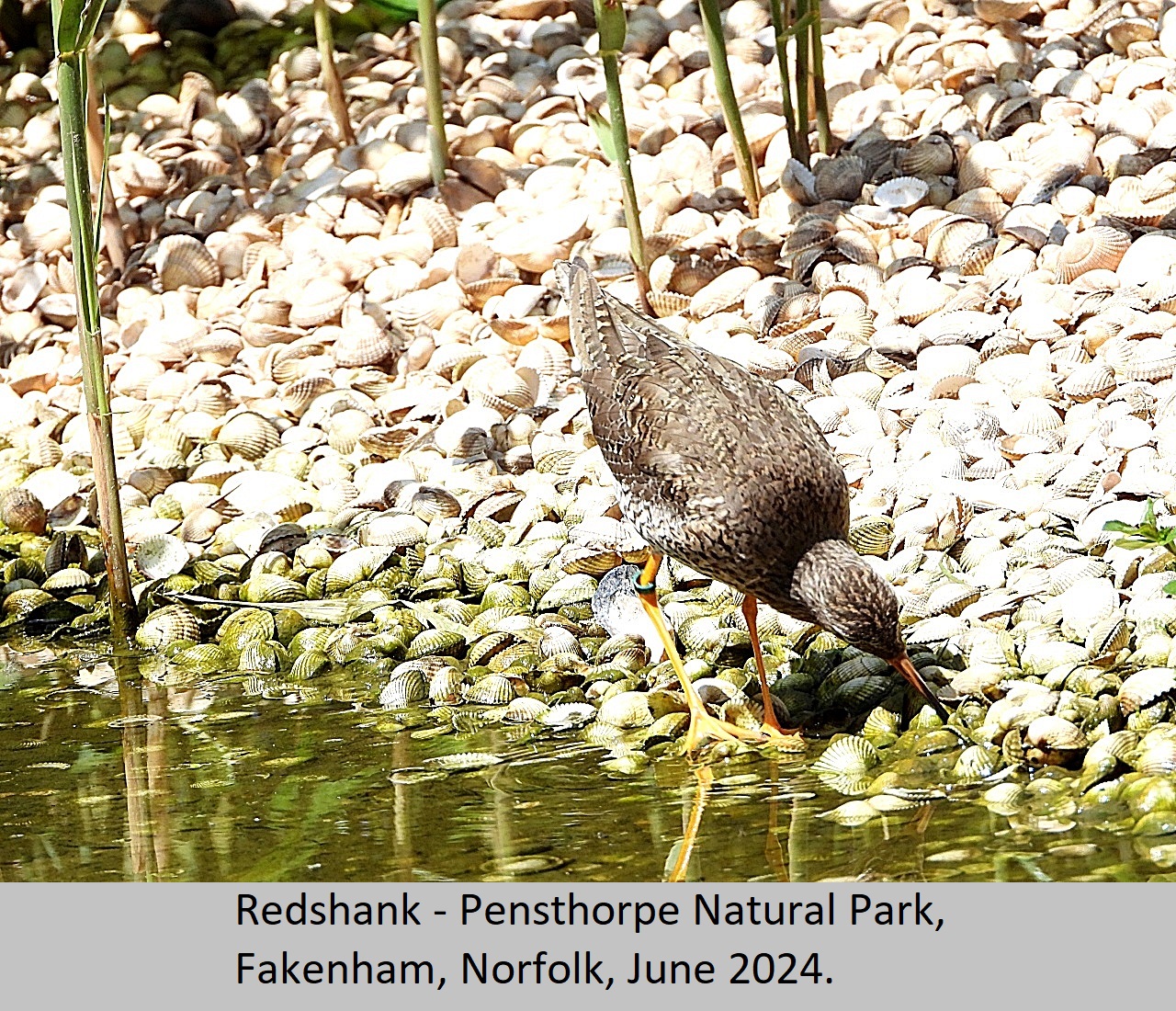
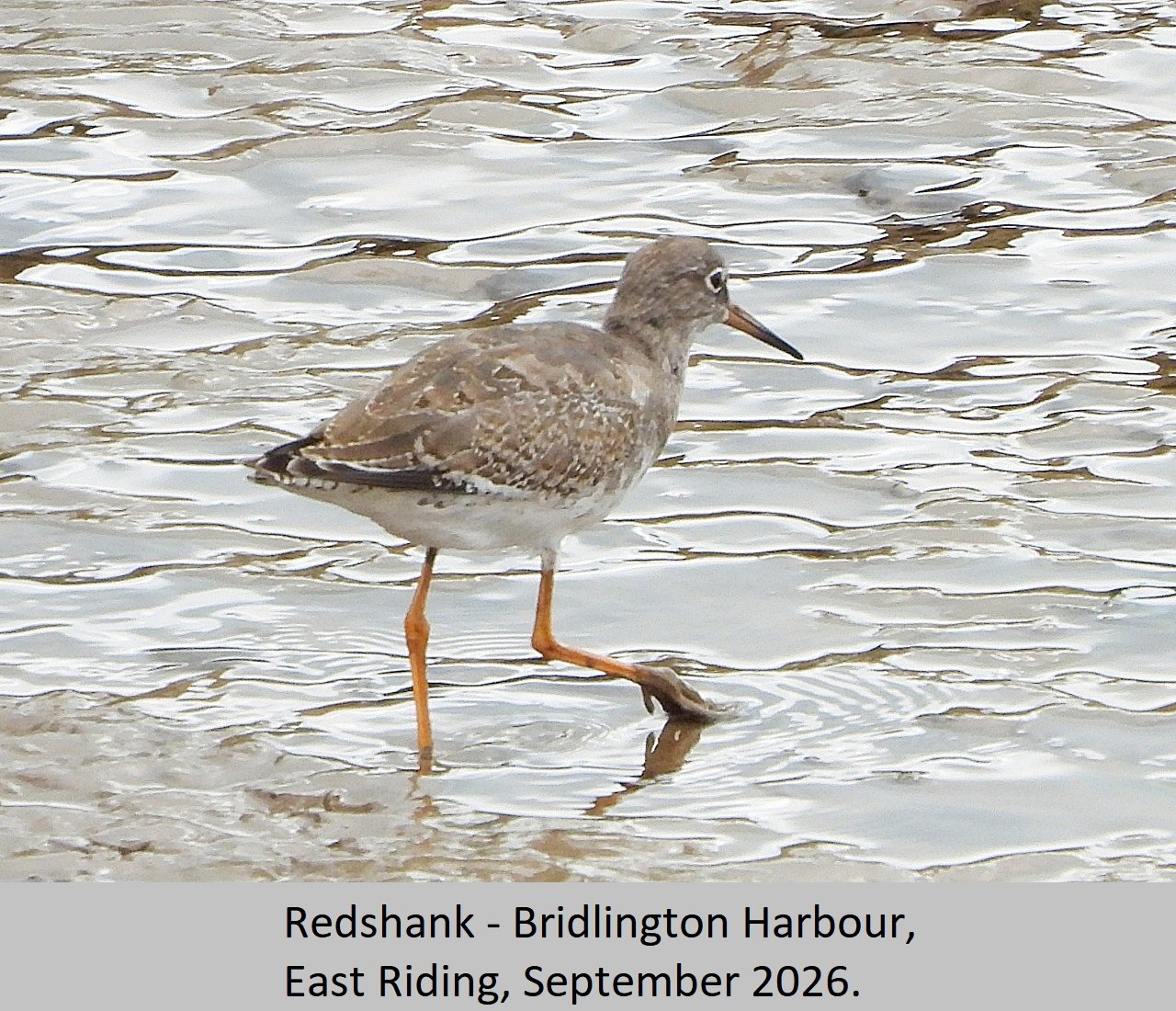
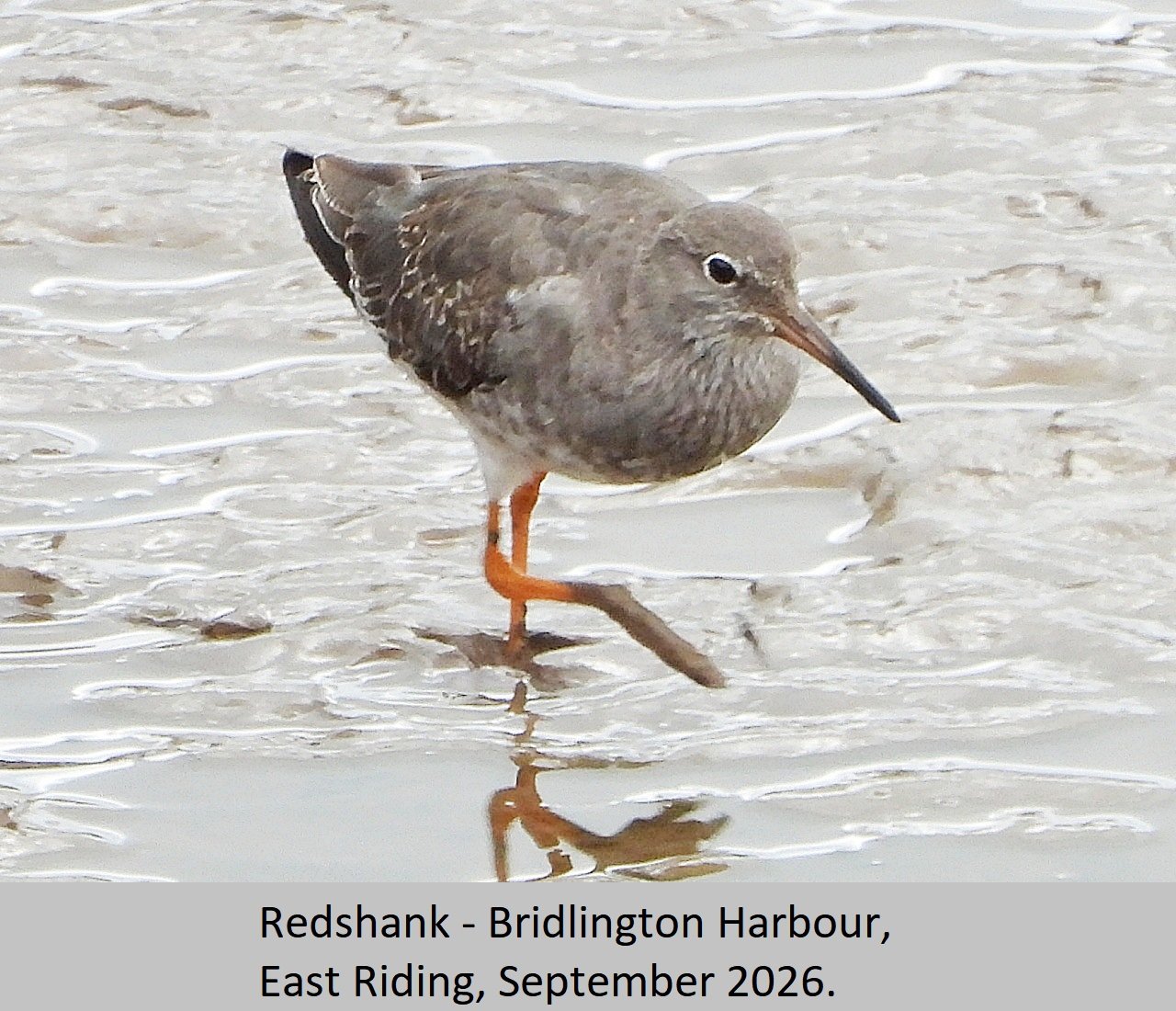
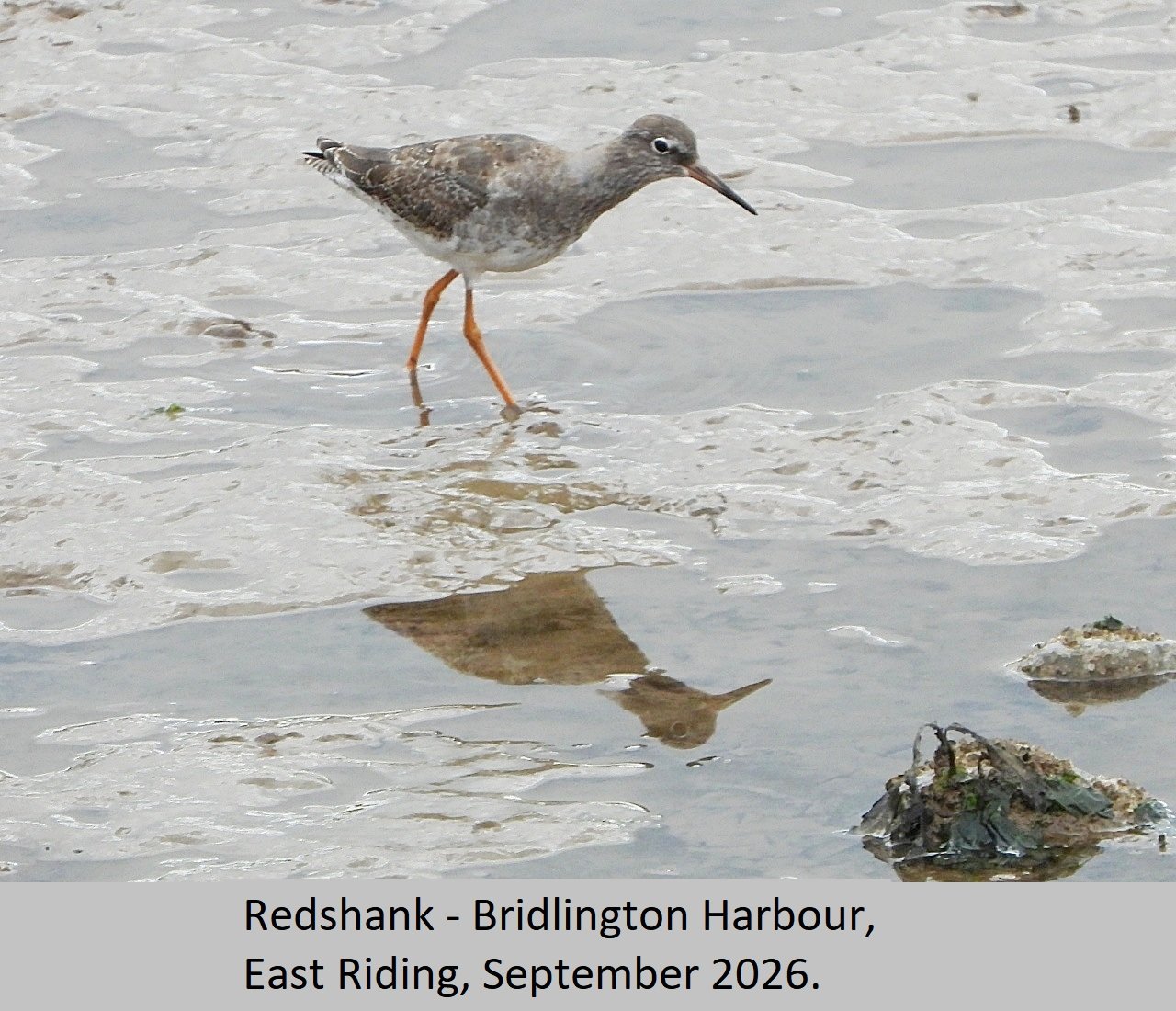
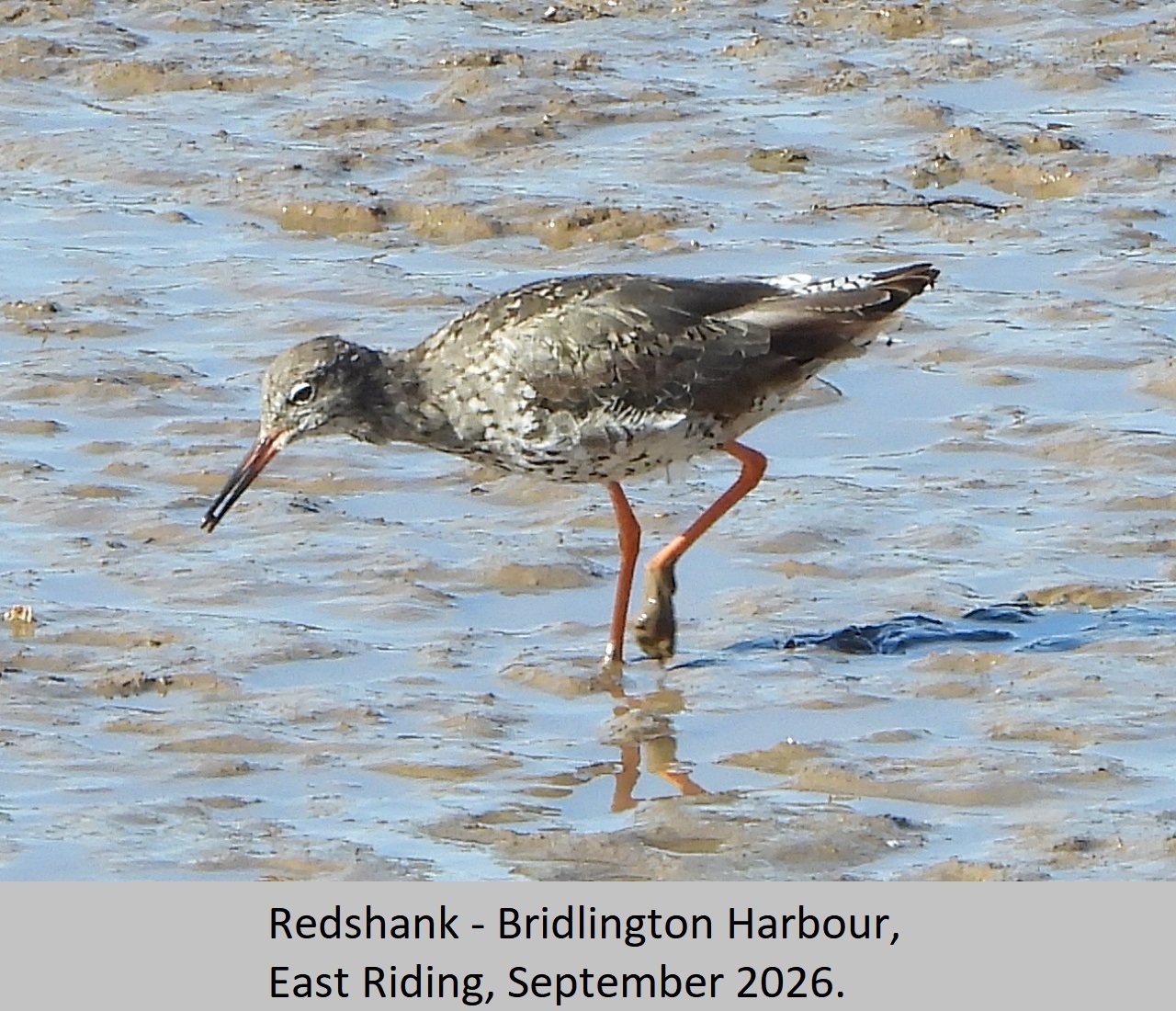
Redshank: UK Status: Resident, with 22,000 breeding pairs in the UK. These numbers are increased in the winter by overwintering birds, then there can be up to a 1000,000. Habitat: This bird breeds around the edges of lakes, in salt marshes and flood meadows. During autumn through to early spring, they can also be seen in large numbers around estuaries and sheltered parts of the coast. Redshank eat crustaceans, earth worms and other invertebrates. Breeding: Redshanks are monogamous, and nest in loose colonies, or as solitary pairs. The nest is built by the male in a depression on the ground, it consists of twigs and grass. the female will then line the basic nest with softer materials such as leaves. The clutch of eggs is three to five in number, eggs are whitish to buff in colour, and heavily mottled with reddish to dark brown streaks and blotches. Comment: This used to be a common bird, but has declined in recent decades and is of some concern.
BE AWARE PLEASE: Ground nesting birds are very vulnerable to having their eggs and chicks smashed or crushed. This can happen when people are unaware of their presence, or when dogs are allowed to run loose during the breeding season. Nests are very well hidden, and are not usually spotted until it's to late. Dogs often have no concern for ground nesting birds, please keep them on their leads from April through to the end of September. |
|
| (Linnaeus 1758) | (Linnaeus 1758) |
| Charadriiformes - Scolopacidae | Charadriiformes - Scolopacidae |
| Common Redshank - Tringa totanus | Common Redshank - Tringa totanus |
|
|
|
| (Linnaeus 1758) | (Linnaeus 1758) | (Linnaeus 1758) | (Linnaeus 1758) |
| Charadriiformes - Scolopacidae | Charadriiformes - Scolopacidae | Charadriiformes - Scolopacidae | Charadriiformes - Scolopacidae |
| Common Redshank - Tringa totanus | Common Redshank - Tringa totanus | Common Redshank - Tringa totanus | Common Redshank - Tringa totanus |
|
|
 |
 |
|
 |
 |
 |
 |
 |
 |
|
Contact Website Manager dave.hatton29@btinternet.com |
Dave Hatton reserves the copyright on all images. © 2022 |